


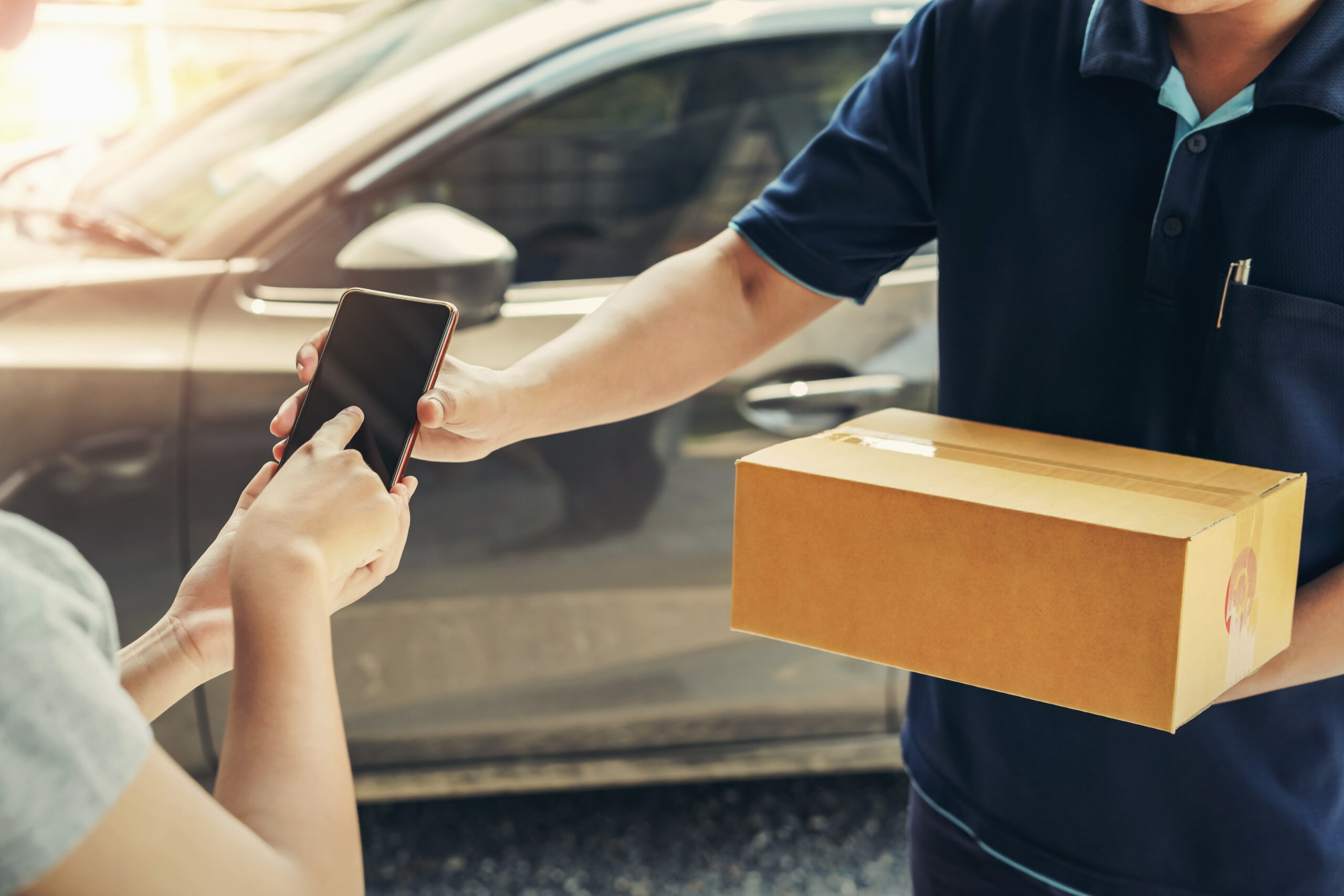
Food delivery has become one of the most popular side jobs for students across the United States. With apps like DoorDash, Uber Eats, and Grubhub, it’s never been easier to make money on your own time. But just like any job, working as a delivery driver comes with both upsides and downsides.
If you’re a student thinking about starting a delivery job, here’s a balanced look at what you can expect.
Why So Many Students Choose Food Delivery
One of the biggest reasons students choose food delivery is the flexibility. Unlike retail or office jobs, delivery apps let you choose when you want to work. You can go online between classes, after dinner, or just on weekends. There are no set shifts or strict managers — just you, your phone, and the road.
Another benefit is the quick pay. Many apps pay weekly, and some even let you cash out daily. For students who need fast money for books, rent, or food, this can be a real advantage. Plus, you keep 100% of your tips, and good service often means bigger payouts.
It’s also easy to get started. Most platforms don’t ask for previous experience, and there’s no interview process. You just sign up, pass a background check, and start accepting orders. That’s a huge plus if you’re looking for something that fits around your studies with minimal stress.
The Downsides You Should Know About
Of course, food delivery isn’t perfect. One of the biggest challenges is unpredictable income. Some days are busy and profitable, while others can be very slow. If you’re counting on a certain amount of money every week, this can be frustrating.
Another issue is the cost of working. If you use a car, you’ll spend money on gas, maintenance, and maybe even parking. Those expenses add up quickly, especially if you’re driving long distances for small orders. And since you’re working as an independent contractor, you have to pay your own taxes — including self-employment tax.
There’s also the physical aspect. If you’re walking or biking, it can be tiring — especially in bad weather. If you’re using a car, long hours in traffic can be draining, and delivery during peak times can get stressful.
Finally, while the job gives you freedom, there’s no real job security or benefits. You don’t get health insurance, paid time off, or unemployment protections. If something happens to your vehicle or you get sick, you simply stop earning.
Is It Worth It?
For many students, food delivery is still a great option. It’s flexible, fast to start, and can fit well around your school schedule. If you’re smart about when and where you work, and you keep track of your earnings and expenses, you can make decent money — especially with tips.
But it’s important to understand the downsides, too. Don’t go into it thinking it’s all easy cash. Like any job, it takes effort, time, and planning.
If you’re okay with a bit of hustle and want a job you control, food delivery might be the perfect side gig. Just be sure to check all your options, know your local rates, and take care of your body — and your budget — along the way.